Niko Pirosmani (Georgian: ნიკო ფიროსმანი), simply referred to as Nikala (ნიკალა) (1862–1918), was a
Georgian naïve painter who posthumously rose to prominence. Relatively poor for most of his life, he
worked a variety of ordinary jobs. His rustic, everyday scenes are celebrated today for their depiction
of the Georgia of Pirosmani's lifetime, and he has become one of the country's most beloved artistic
figures.
Niko Pirosmani is alleged to be the inspiration for the male protagonist potrayed in the
famous Russian song Million Roses.
Pirosmani was born in the Georgian village of Mirzaani to a peasant family in modern-day Kakheti
province. His parents, Aslan Pirosmanashvili and Tekle Toklikishvili, were farmers, who owned a small
vineyard, with a few cows and oxen. He was later orphaned and left in the care of his two elder sisters,
Mariam and Pepe. He moved with them to Tbilisi in 1870. In 1872, while living in a little apartment not
far from Tbilisi railway station, he worked as a servant to wealthy families and learned to read and
write Russian and Georgian. In 1876, he returned to Mirzaani and worked as a herdsman.
Pirosmani gradually taught himself to paint. One of his specialties was painting directly into black
oilcloth. In 1882, with self-taught George Zaziashvili, he opened a painting workshop, where they made
signboards. In 1890, he worked as a railroad conductor. In 1893, he co-founded a dairy farm in Tbilisi,
which he left in 1901. Throughout his life, Pirosmani, who was poor, was willing to take ordinary jobs
including housepainting and whitewashing buildings.
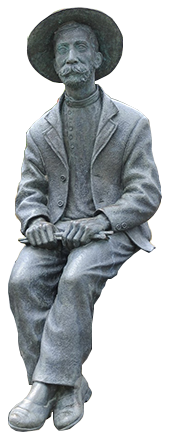
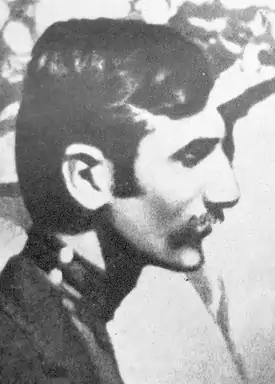
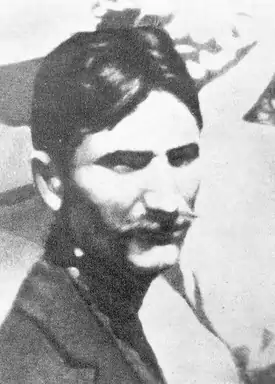
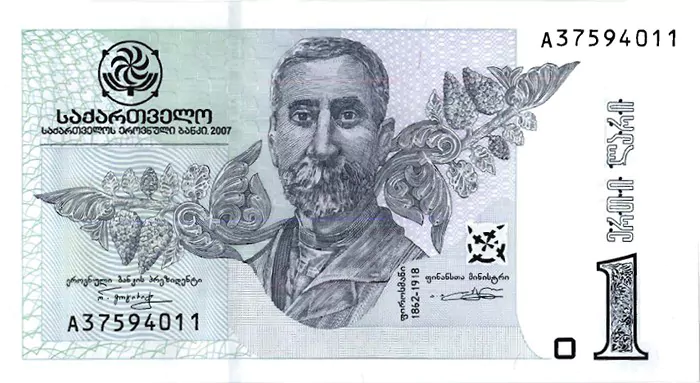
The only photo of Niko